How To Prioritize Spending For Your Wedding
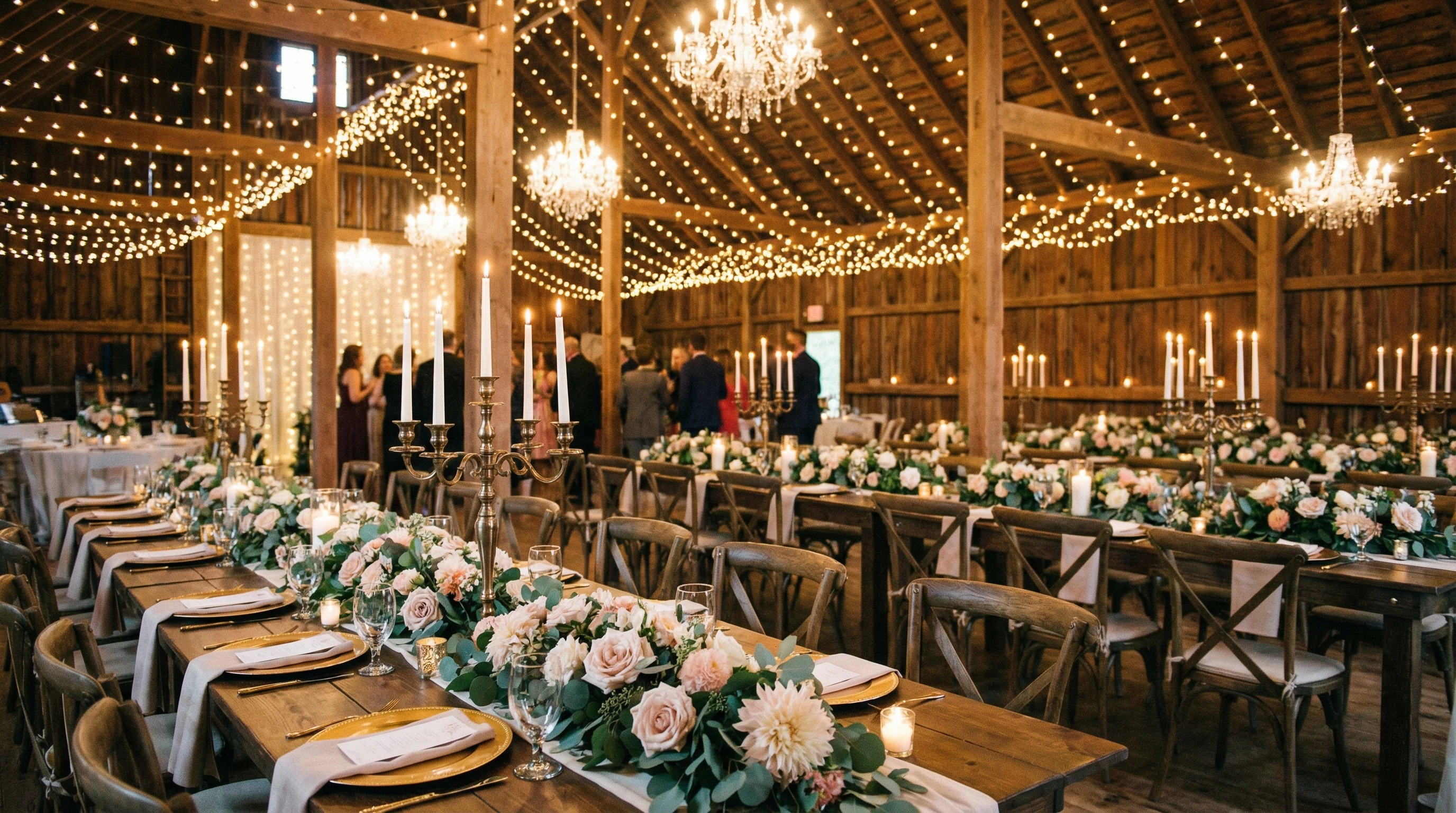 Planning a wedding brings a mix of joy and stress, and one of the biggest questions I faced was how to decide where my money should go. With so many decisions, opinions, and beautiful options, I realized that setting spending priorities made things feel a lot more manageable, and even enjoyable.
Once I learned how to match my wedding budget to my values and vision, I found it way easier to avoid overspending on things that didn’t matter much to me. If you’re feeling overwhelmed by all the choices, I know how that feels. I’m sharing what’s worked for me to help you cut through the confusion and focus your spending on what will actually make you happiest on your big day.
1. Decide What Matters Most
Every couple is different, and so is every wedding. Before getting into spreadsheets and price comparisons, I talked with my partner about what felt truly important. For us, it was great food and photos, but you might care most about the venue, music, or even the honeymoon.
Questions to Ask Each Other:
- Which moments do I picture most clearly? (First dance, vows, cake cutting?)
- If I could only splurge on one thing, what would it be?
- Are there any traditions or details I don’t care about?
- What did I love or not care for at other weddings I’ve attended?
After these talks, I wrote down each of our top three priorities. This made it super obvious what deserved a bigger portion of our spending and helped us feel united in our plan.
2. Set a Realistic Overall Budget
Before making even one booking, I set a practical budget for the entire wedding. This part isn’t fun, but it’s super important if you want to avoid regret or debt later on.
How I Came Up With My Budget:
- I added up any savings, gifts from family, and what we could realistically set aside each month before the wedding.
- I checked the popular wedding costs in my area. TheKnot and WeddingWire share helpful real averages year by year (source).
- I built in a 10% buffer for unexpected expenses; these always pop up!
Seeing the full number in writing helped me stay grounded each step of the way. This also gave us peace of mind and less anxiety about finances as we planned.
3. Break Down Your Budget By Category
Once I had a total, I split it into categories like venue, food, fashion, flowers, entertainment, and so on. I put more or less into each category based on my earlier priorities and what would make me happiest.
- Venue: Usually the biggest single spend, especially if food is included.
- Catering: If great food matters to me, I allow for a higher percentage here.
- Photography/Videography: Pricier if this is a top priority for memories.
- Decor/Flowers: Can be less if this isn’t my focus, or more if I love florals.
- Attire: Dress, suit, hair, makeup; how much do I want to spend on looking my best?
- Music/Entertainment: DJs may cost less than live bands; personal preference can mix this category up a lot.
- Stationery, favors, and extras: I keep these lower if they’re not a big deal to me.
Sample Budget Allocation (out of 100%):
- Venue & Catering: 40-50%
- Photography and Videography: 10-15%
- Clothing and Attire: 8-10%
- Flowers and Decor: 8-10%
- Music/Entertainment: 8-10%
- Other/Miscellaneous: 10-15%
I’ve always found that adjusting these numbers for what mattered to me made the trade-offs much easier to accept and gave me more control overall.
4. Consider Guest Count; It Changes Everything
The more people I invite, the more I have to spend on every part; food, drinks, tables, chairs, invitations, even favors. Cutting my guest list was one of the fastest ways to reduce costs without having to compromise on my top priorities.
Tips That Worked For Me:
- Write an initial guest list, then review it together and honestly ask, “Will I be happy spending money to celebrate with this person?”
- Consider a smaller gathering or a microwedding if keeping costs lower is really important.
- Invite only close friends and family to the ceremony, and others to a casual afterparty if needed.
Staying honest and realistic about the guest list opened up space in my budget for what I valued most and made tough decisions easier to live with.
5. Research Alternatives and DIY Options
Saving in one area lets me splurge elsewhere. For example, I found lots of venues with lower fees on weekdays or offseason dates, and caterers who offer creative menu options without the formal sitdown price tag. Researching alternatives gave me incredible flexibility and saved us serious cash.
Ways I Saved Without Sacrificing Quality:
- Shopped for samplesale wedding attire or rented outfits.
- Designed my own invitations using an online template and printed locally.
- Asked musically talented friends to play at the ceremony.
- Used potted plants instead of expensive floral arrangements, or went for seasonal flowers.
I realized that focusing on what guests will remember; a happy vibe, good food, and a warm atmosphere; mattered more than any extra frills. Making small tweaks kept our day personal and still eye-catching.
6. Track Spending and Make Adjustments
I tracked every payment and deposit in a simple spreadsheet using Google Sheets. Whenever I got close to going over in one area, I trimmed expenses elsewhere. If photography came in $500 under budget, maybe that extra went toward music or a photo booth, depending on what would make the experience better for me.
Things I Kept In Mind:
- Stay flexible; it’s normal for some costs to switch up during planning.
- Double-check payment schedules and cancellation policies to avoid late fees or surprises.
- If costs go way over in one category, reconsider guest count, trim decor, or skip nonessential extras.
This hands-on approach kept me in control and confident about my choices. It also helped avoid postwedding regret since there were fewer financial surprises.
7. Answering Common Questions
What’s the best thing to spend extra money on?
This completely depends on what’s most meaningful for you and your partner. For me, spending on a photographer I loved was worth every penny since those photos would last. Other couples might invest in an epic band, a gourmet meal, or their dream venue. Make sure the extra cash goes to the one thing you can’t imagine your day without.
Where can I cut costs without sacrificing my vision?
- Limit the guest list and focus on quality over quantity.
- Skip wedding favors or choose edible ones guests actually want.
- DIY centerpieces or decorations.
- Borrow decor or accessories from recently married friends.
How do I handle family expectations?
I found it really helpful to have an honest talk early on. I shared my vision and asked for input, making it very clear where we were willing to compromise and where we were not. If someone else is contributing financially, including them in some decisions can help everyone feel heard and valued.
Action Steps to Get Started
- List your top three wedding priorities and share them with your partner.
- Set your total budget based on savings and contributions.
- Assign percentages to each spending category according to your priorities.
- Draft a guest list, then review to see if it matches your budget.
- Start collecting quotes and prices for your top priorities first.
- Track all spending in one place and revisit as you make decisions. Be open to switching things up if needed for your happiness and peace of mind.
By tackling each step thoughtfully, I felt more excited and less stressed about my choices. Deciding what really matters and matching my spending to those things helped me create a personal and memorable wedding celebration. Remember that your best wedding is the one that reflects your values, your style, and your love story.